

I Received Legal Papers: What Should I Do Now?
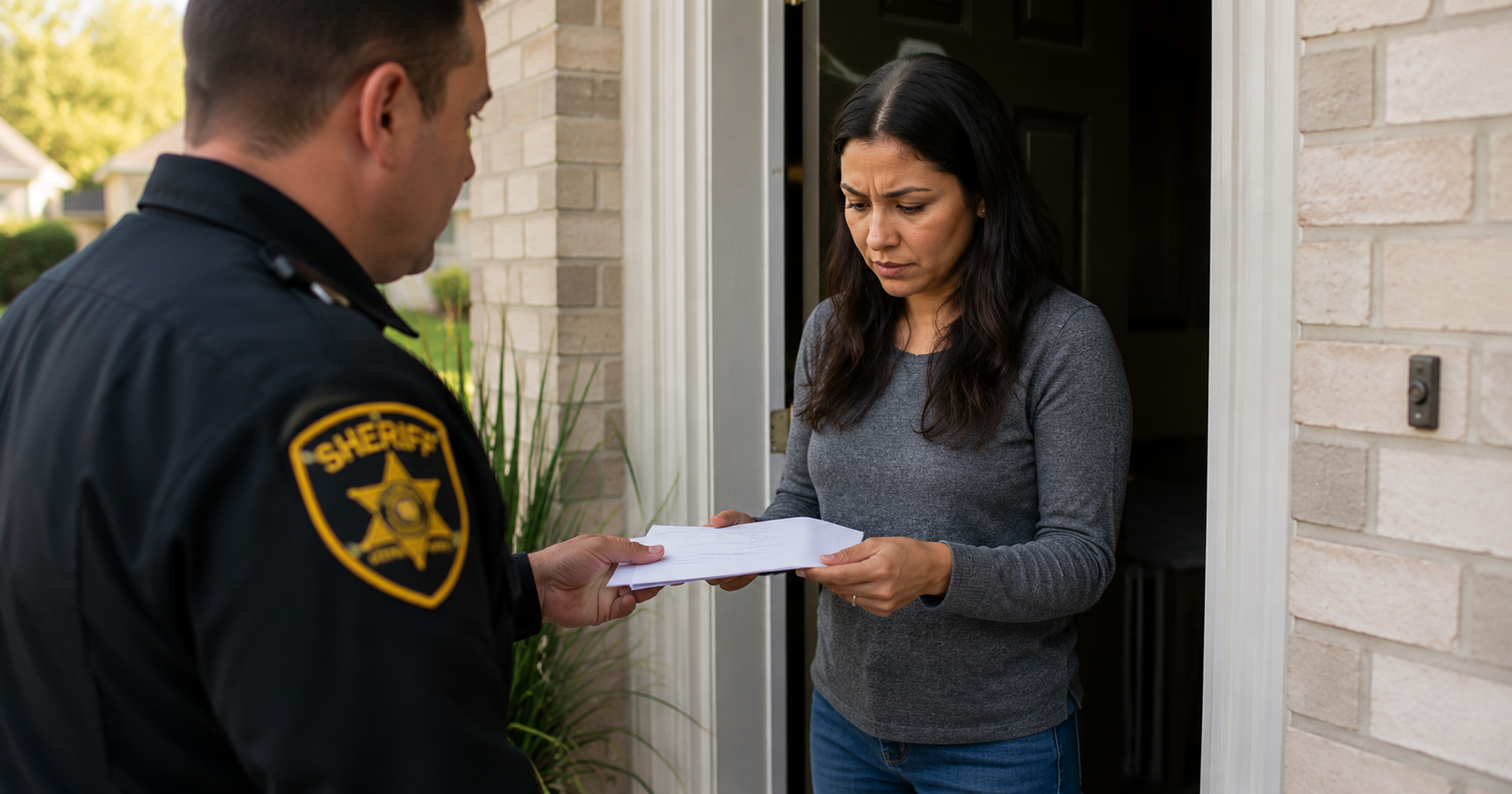
Receiving a letter from an attorney, a lawsuit, or papers delivered by the Sheriff can create an immediate reaction: “What does this mean? Am I in trouble? What am I supposed to do?” The first step is simple: do not panic, but do not ignore it either.
Not every legal document means the same thing. You may have received a letter asking to negotiate, a complaint that has already been filed with the court, a summons, motion, order, or notice of hearing. Before reacting, it is important to understand exactly what you received.
First: Read It, Keep It, and Check the Dates
Keep everything you received, including the envelope, attachments, and anything delivered with the papers. Look for the name of the court, case number, names of the parties, and any hearing date or deadline to respond.
If the documents concern divorce, custody, child support, separation, or marital property, they may involve family law matters that can significantly affect your children, finances, or legal rights.
Other papers may involve contracts, money, property, or other civil disputes. In either situation, one of the most important questions is whether there is a deadline to act. Some court documents require a response within a specific period, and simply ignoring them will not make the problem disappear.

Do Not Respond Out of Anger or Fear
When the dispute involves a spouse, former partner, relative, neighbor, or someone with whom you already have conflict, it can be tempting to immediately call them or send a long message explaining your side.
Usually, it is better to stop first.
Do not delete texts, emails, photographs, or other information related to the dispute. Avoid posting details about the case on social media, and do not sign something you do not understand. What you say or sign now may become important later.
Start gathering information instead. Preserve relevant messages, contracts, bank records, photographs, payment records, previous court orders, and anything else that helps explain what happened. It can also be useful to write a simple timeline of the important events while the dates are still fresh in your mind.
You Do Not Need to Understand Everything Before Asking for Help
Speaking with an attorney does not automatically mean your case will end up at trial. Many legal problems can be resolved through communication between attorneys, negotiation, settlement, or eventually mediation. Other cases do require a formal response and court involvement.
The important thing is knowing the difference before making decisions.
If you received legal papers and do not understand what they mean, contact our legal team. Bring or send a complete copy of everything you received and explain when and how it was delivered. An early review can help you understand what is happening, what options may be available, and what you should do next.
Armendáriz Law Office assists families and clients in Raleigh and throughout North Carolina with family law matters and select civil disputes. Hablamos español.
This article provides general information and does not constitute legal advice. Deadlines and requirements depend on the type of document and the particular case.