


How Does a Judge Decide Child Custody in North Carolina?
When parents cannot agree about custody, one of the most common questions is: “What will the judge consider?” Some people believe that mothers automatically receive custody. Others think that the parent who earns more money has an advantage. In North Carolina, neither assumption is automatically correct.
The judge’s primary responsibility is to choose the arrangement that best protects the child’s interests and welfare. This means the case is not decided simply according to what one parent wants or believes is fair. The judge must focus on the child’s needs and the specific circumstances of the family.
What factors can the judge consider?
There is no single checklist that decides every custody case. A judge may consider any circumstance that affects the child’s safety, stability, and welfare. Legal custody and physical custody are also different. Legal custody concerns major decisions, such as medical care and education. Physical custody concerns when the child lives with or spends time with each parent.
The court may look at who normally handles the child’s daily needs, including school, medical appointments, meals, transportation, and activities. The judge may also consider the child’s relationship with each parent, each parent’s living arrangements, and each parent’s ability to provide a stable routine.
Domestic violence, abuse, unsafe behavior, and serious problems involving alcohol or drugs are especially important. These issues may affect custody, visitation, and any conditions needed to protect the child or either parent.
North Carolina law does not automatically prefer the mother or the father. A parent also does not need to be perfect. The judge examines how each person’s choices and conduct affect the child. Being a poor spouse does not necessarily make someone a poor parent, but conflict between adults may matter when it directly harms the child.
Joint custody is possible, but it is not automatic. Depending on the facts, the court may award joint custody, give one parent primary custody, or establish another schedule designed around the child’s needs.
What can parents do before going to court?
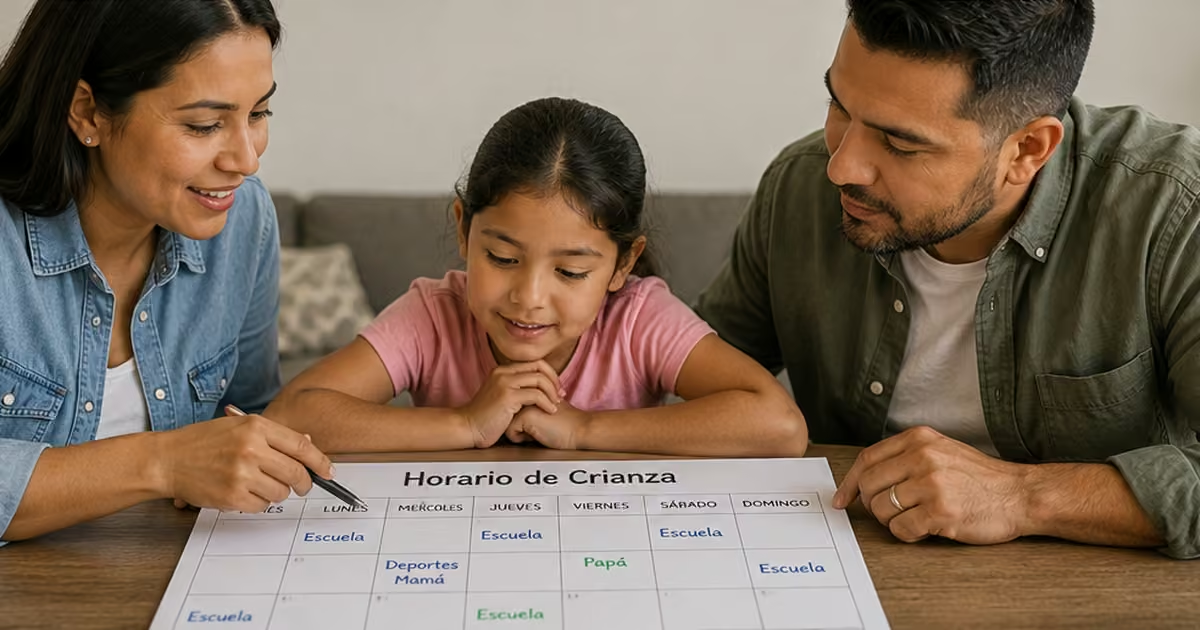
Parents should focus on presenting a plan that works for the child instead of only criticizing the other person. A useful parenting plan may explain where the child will live, how weekends and holidays will be divided, who will make medical and educational decisions, and how the parents will communicate.
It is also important to keep organized records. Messages, calendars, school documents, and medical records may help show each parent’s involvement. However, parents should not start arguments or send aggressive messages in an attempt to “create evidence.”
In many contested cases, parents must participate in custody mediation before the case goes to trial. Mediation gives them an opportunity to create their own parenting agreement. If they cannot agree, a judge will hear the evidence and decide the case.
Every family is different. Before filing a claim, signing an agreement, or attending a custody hearing, it is advisable to speak with a family law attorney about your particular situation.
Armendáriz Law Office assists families in Raleigh and throughout North Carolina with child custody, visitation, divorce, and child support matters. Hablamos español.
This article provides general information and does not constitute legal advice. Every case is different.